Go Deeper: Nipple Pain and Breastfeeding - Why It Happens & How to Help
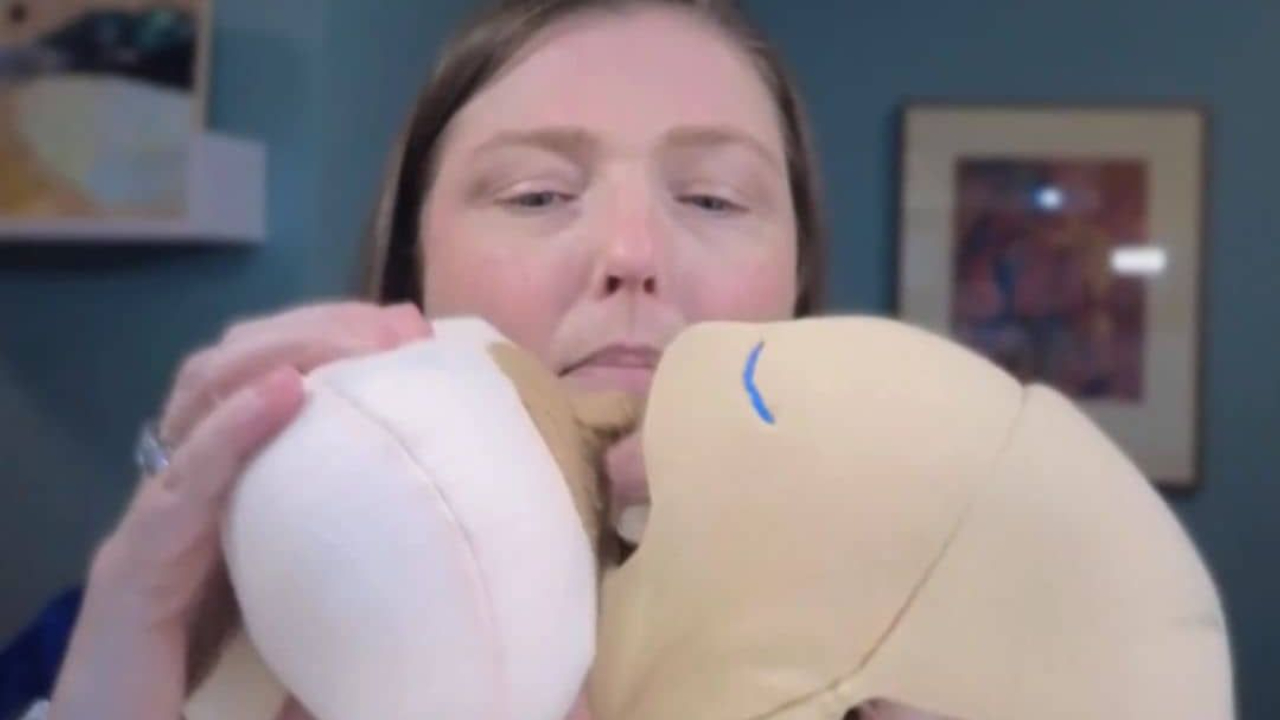
If every feed leaves your nipples aching or burning, it’s exhausting. You may start to wonder if it’s always going to feel this way — and if you’ll ever be able to enjoy feeding your baby instead of dreading it.
As a lactation consultant, I’ve worked with hundreds of families dealing with nipple pain and breastfeeding challenges. Many were told pain was just something they had to “push through.” But pain isn’t random, and it isn’t simply part of breastfeeding. There’s always a cause — and once you understand it, you can take steps to make feeding feel better.
The tricky part is that nipple pain from breastfeeding or chestfeeding doesn’t always look or feel the same. For some parents, it’s sharp at latch-on and then fades. For others, it’s a deep burn that builds after a feed. And for some, it feels like sandpaper the whole time. That can be confusing when you’re already tired and second-guessing yourself — but understanding the root cause is the key to making it go away.
Inside this 20-minute latch pain discussion, you’ll learn:
- The 4 main causes of nipple pain during breastfeeding or chestfeeding — pinching, compression, tongue function, and underlyin ...
🔒 Unlock this Video
This video is part of a deeper resource inside Expanded Access. Click the button below to unlock the full video and explore Expanded Access.
If every feed leaves your nipples aching or burning, it’s exhausting. You may start to wonder if it’s always going to feel this way — and if you’ll ever be able to enjoy feeding your baby instead of dreading it.
As a lactation consultant, I’ve worked with hundreds of families dealing with nipple pain and breastfeeding challenges. Many were told pain was just something they had to “push through.” But pain isn’t random, and it isn’t simply part of breastfeeding. There’s always a cause — and once you understand it, you can take steps to make feeding feel better.
The tricky part is that nipple pain from breastfeeding or chestfeeding doesn’t always look or feel the same. For some parents, it’s sharp at latch-on and then fades. For others, it’s a deep burn that builds after a feed. And for some, it feels like sandpaper the whole time. That can be confusing when you’re already tired and second-guessing yourself — but understanding the root cause is the key to making it go away.
Inside this 20-minute latch pain discussion, you’ll learn:
- The 4 main causes of nipple pain during breastfeeding or chestfeeding — pinching, compression, tongue function, and underlying medical issues
- How to tell the difference based on when pain shows up during a feed
- What you can do to address the root cause so feeding feels more comfortable for your body
By the end, you’ll know exactly what’s likely behind your pain — and how to start making breastfeeding feel better for both you and your baby.
Watch the Video:
Nipple Pain and Breastfeeding: Why It Happens & How to Help
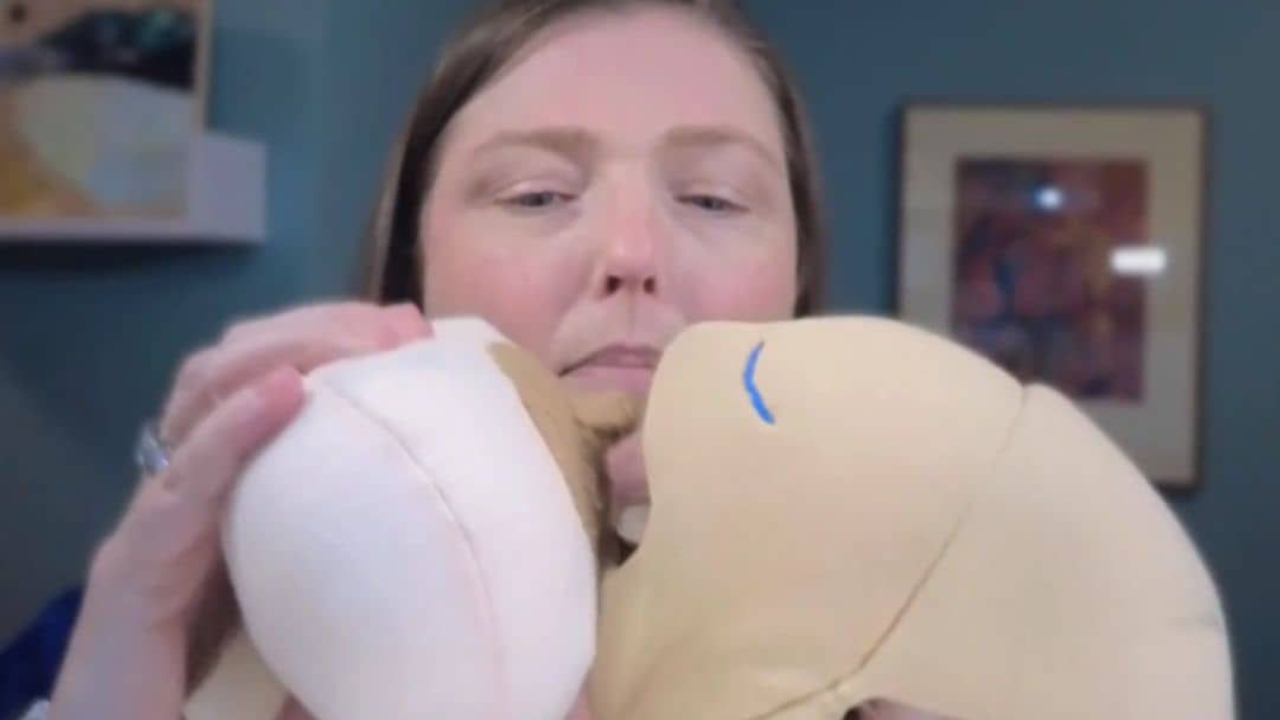
Want to see something specific? Here’s a quick timeline of what's inside.
- 00:00 – Why breastfeeding hurts
The difference between “normal” soreness and latch pain that needs fixing - 00:02:00 – Pinching pain
What happens when your nipple gets caught between your baby’s jaw and how to reposition - 00:05:00 – Compression pain
Why a shallow latch presses on sensitive tissue and causes soreness after feeding - 00:09:00 – Tongue tie pain
What sandpaper-like nipple pain means and why some babies rely on their jaws instead of their tongue - 00:13:00 – Underlying medical issues
Raynaud’s, eczema, or misdiagnosed yeast infections that make nipples hurt more - 00:18:00 – Quick recap
How to use the timing of your pain to figure out which issue is most likely causing it - 00:20:00 – Final takeaways
Why early help matters to prevent nipple damage and protect your feeding journey
Blog Search By Topic
Have feeding questions?
Join me live on Zoom.
Live Feeding Q&A
For Everyone with Expanded Access
Tuesdays @ 11am ET
All questions welcome.